2026-09-22
Yeonsan Station Lafullen: Natural Results for Sunken Facial Areas
Yeonsan Station Lafullen stimulates natural collagen synthesis using PCL, offering gradual volume restoration and improved skin elasticity for a balanced, youthful facial contour.

Yeonsan Station Lafullen: Natural Results for Sunken Facial Areas


As we age, many people notice that their facial impressions are not quite the same as before.
Even without losing weight, the cheeks may look hollow, or cheekbones can appear unusually prominent in photos. Such changes cannot be explained solely by sagging skin. It occurs because elasticity in both the skin and subcutaneous tissue decreases, while volume loss in various areas alters overall dimension and balance.
In particular, when volume in the front or side cheeks decreases, the mid-face appears flatter, which can make the cheekbones or angular facial contours look more accentuated. Rather than simply trying to overfill the depleted areas, it is vital to assess the facial structure along with the current state of volume loss.
A Different Approach from Simple Volume Filling
When the face starts to look hollow, treatments like dermal fillers are often the first to come to mind.
Fillers can be used to compensate for sunken areas by adding immediate volume where desired. On the other hand, Lafullen approaches the concern not merely by filling empty spaces, but by encouraging an environment within the skin where collagen can be generated.
In other words, rather than focusing solely on the volume changes visible immediately after the procedure, Lafullen takes into account how skin elasticity and tissue conditions transform over time.

The Key Ingredient in Lafullen: PCL
To understand Lafullen, it is essential to look at the characteristics of PCL.
PCL (Polycaprolactone) is a biodegradable polymer that gradually breaks down within the body over time. After injection, it helps stimulate collagen formation within the skin tissue, working to improve elasticity and structural support as time passes.
For this reason, Lafullen is an excellent option when you want to achieve structural skin improvements alongside volume restoration, rather than relying on a temporary, instant fix.

However, because collagen synthesis is not an instantaneous process, results should not be judged solely right after the procedure; instead, observe the gradual changes that emerge over time.
Furthermore, using PCL does not mean applying the exact same method to everyone. The injection site, dosage, and depth must all be tailored to each person's facial shape and skin condition, making the medical practitioner's professional judgment crucial.

When Hollow Cheeks Make the Face Look Long and Sharp
The front and side cheeks are among the areas where volume loss is most noticeable.
Depletion in the front cheeks can make the mid-face look flat, while volume loss in the side cheeks hollows the area beneath the cheekbones, making the facial contours appear sharper and more angular.
Even so, injecting large amounts into hollow areas is not always the best approach.
Facial regions do not exist in isolation; the forehead, cheekbones, cheeks, and jawline are all interconnected. Overfilling a specific area can disrupt the natural balance of the entire face.

When to Consider a Consultation
You may want to consult to see if Lafullen is right for you if you notice any of the following concerns:
Your front cheeks appear more sunken than before
Your cheekbones look more pronounced due to hollow side cheeks
You are experiencing facial volume loss along with decreased skin elasticity
You prefer natural-looking refinement over an overly inflated or puffy look
You want to combine volume restoration with structural skin elasticity care
However, hollow areas on the face do not all stem from the same cause. Fat loss may be the main driver, or skin laxity and underlying bone structure may be contributing factors.
Therefore, before choosing Lafullen in Yeonsan-dong, a comprehensive evaluation of your current facial volume, skin elasticity, and degree of sagging is essential.

Lafullen is not a one-size-fits-all procedure. The treatment areas and dosage must be customized according to your unique facial anatomy and skin condition, and you should be thoroughly informed about potential recovery steps such as temporary swelling or bruising.

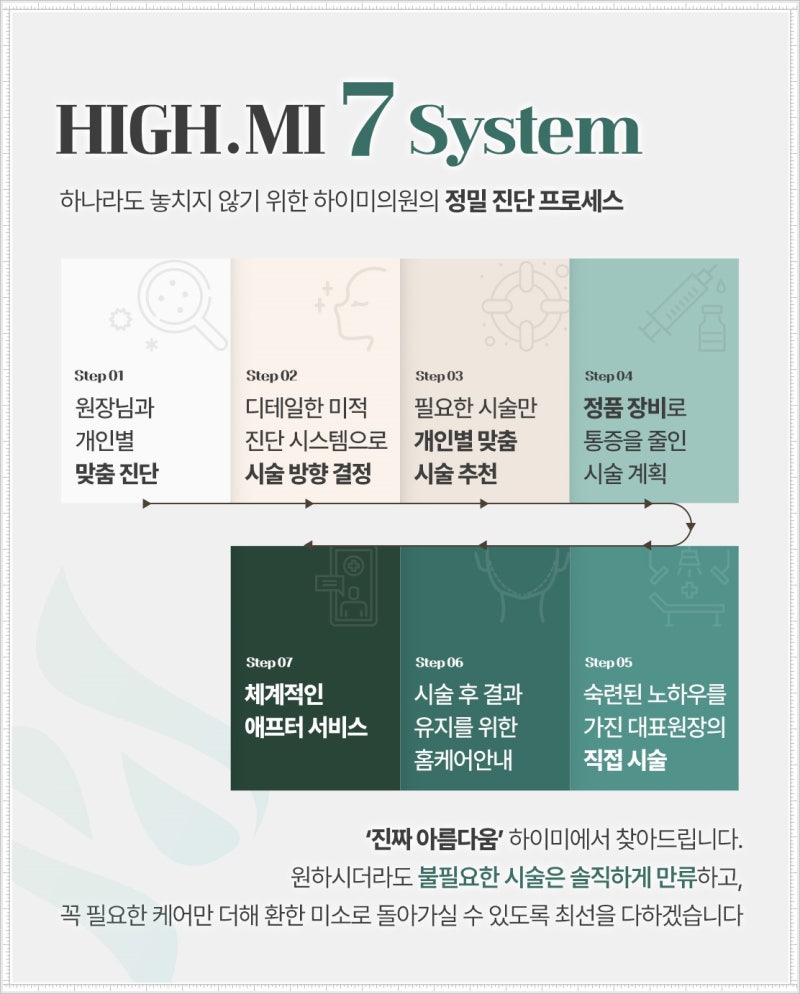
Ultimately, the key is not merely filling hollow spaces.
It is crucial to assess when and how facial volume began to diminish, evaluate the current level of skin elasticity, and determine which areas need improvement to achieve a naturally balanced look across the entire face.
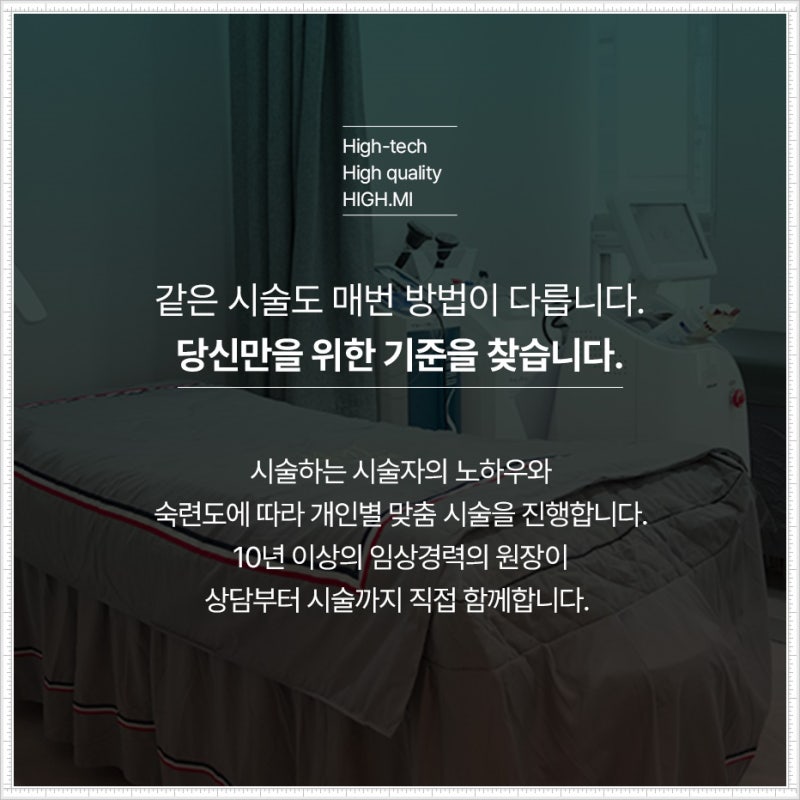
If you are considering Lafullen in Yeonsan-dong, avoid deciding purely based on trends. Instead, verify whether this approach genuinely addresses your specific skin needs. Formulating an individualized treatment plan through in-depth consultation is the most important step toward achieving natural, balanced changes.

Frequently Asked Questions
What is the difference between Lafullen and conventional fillers?
The main difference lies in their mechanism and purpose. Conventional fillers focus on immediately filling sunken areas, whereas Lafullen utilizes PCL—a biodegradable polymer that gradually breaks down—to stimulate collagen production in the skin, creating natural elasticity and volume over time.
What are the characteristics of Lafullen's key ingredient, PCL?
PCL is a biodegradable polymer characterized by its slow absorption in the body. Once injected into skin tissue, it promotes collagen synthesis, helping to progressively improve skin firmness and structural support over time.
Are the results of Lafullen immediate?
No. Collagen synthesis requires time to develop. Rather than judging results strictly based on the immediate volume change post-treatment, it is important to observe the gradual improvement in skin elasticity and structural refinement over the following weeks and months.
When is Lafullen recommended?
It is suitable for those with sunken front or side cheeks who want subtle, natural improvement rather than an overfilled look. It is also recommended for individuals seeking to address both volume depletion and skin laxity in harmony with their natural facial features.
What potential side effects or reactions may occur after treatment?
Temporary swelling or bruising may occur after the procedure. Because recovery times and tissue responses vary by individual, it is important to discuss post-treatment care and precautions thoroughly with your medical practitioner prior to treatment.